
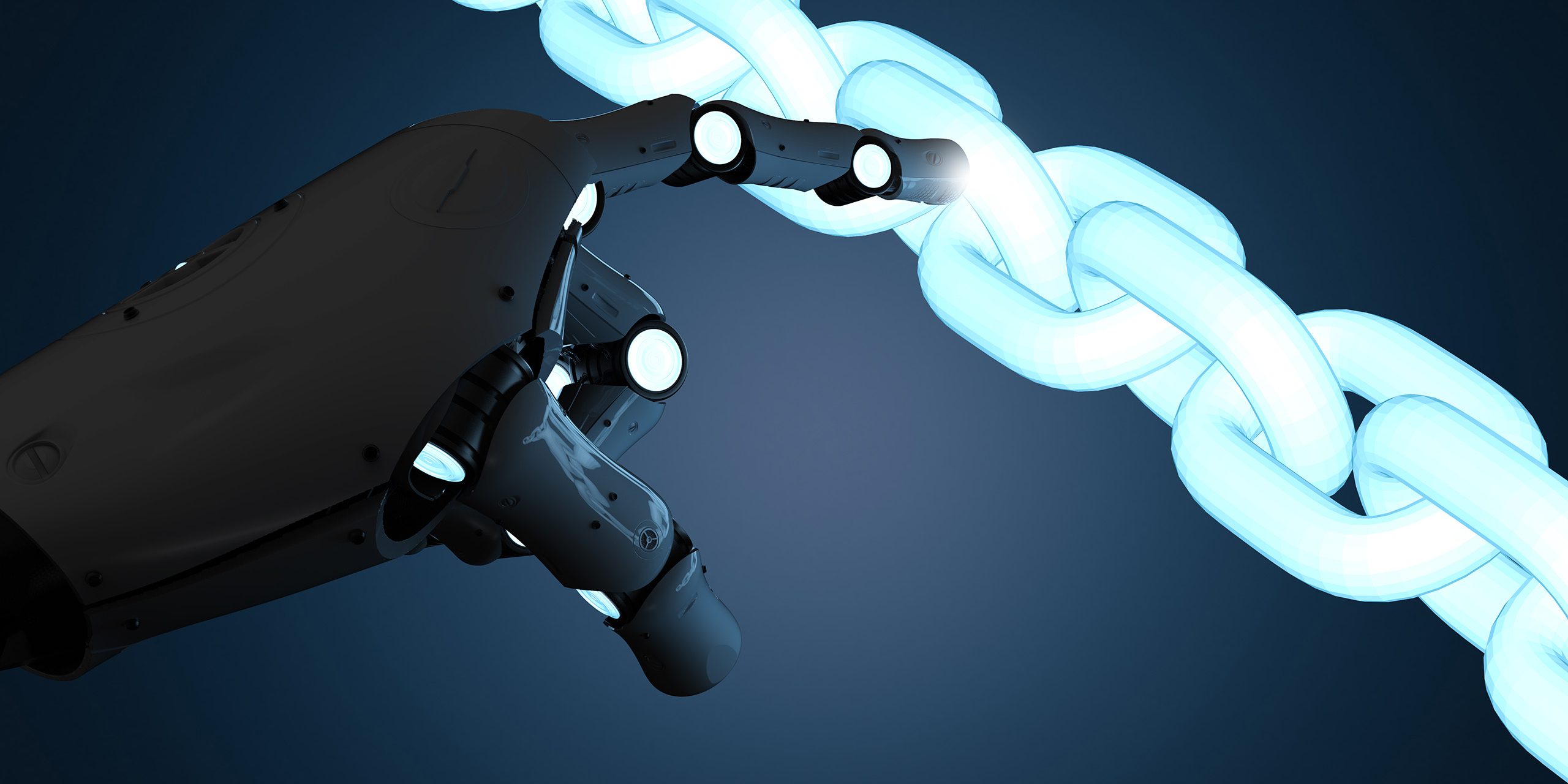
The present and future of automation through the lens of the LENS Consulting Group.
A new phase in the lives of businesspeople began just three months ago. It has still only been one ‘quarter’, but the business mindset has transformed radically, and the process of change is beyond the imagination of even the most daring professionals. One of the most important features of the transformation is that solutions that have been ‘collecting dust’ on the shelves for many years, solutions that everyone should have known about, have now become among the most precious. The same thing happened in the field of automation!
The problem…
It was not so much the ‘should we?’ but rather the ‘how can we?’ that deterred decision-makers from seeing the methods and solutions of automation on their merits, in their proper place, and with the right intensity. Many have had nightmares about the slippery slope; once the machines take over, there is no stopping, and human resources will drift out of focus. It has never been a question that in terms of efficiency and predictability, a business managed by human resources can never reach the same results as automated operations. But we are human, and our biases make us let a lot of opportunities pass us by, especially in the field of mechanisation. They are also surprised when the professionals who work in this field turn out to have very human emotions. For the average businessperson, this can come as a surprise. But because we hit the brakes, we obviously didn’t move forward, not even to a reasonable degree, and that could come at a high price in the years to come!
The Matrix Phenomenon
Automation is about the need to replace human resources with the work of machines within necessary processes, and there is no problem with that. The emphasis, however, is on the word ‘necessary’! The best automation does not use templates but adheres to the belief that ‘the solution needs to be tailored to the needs of the customer’. This cannot be just a trite phrase, because in the end, dissatisfaction, disappointment, and thus a ‘failed project’ await both the client and the contractor. Automation is a specialised area of development for a business; it does not just entail purchasing and setting up machines; i.e., it is not a simple procurement project. Anyone who views it this way will have serious problems with the results. And if we are talking about developing the business, then the customer must always finalise the focus and the goals! Of course, the professionals must be able to make appropriate proposals and give advice based on sufficient information — which inherently includes the target system of the business owner/top decision-maker. But there are as many target systems as there are owners, and we do not want to simplify all this into simple templates!
The crisis is giving birth to new businesses.
It is a universal truth that new business areas always emerge during a crisis. This is especially true in the consulting field. After all, owners/managers need support to build and implement new visions. The automation field is no different, and the last three months have unmistakably shown the new directions and expectations of this business. A crisis always reinforces the need for professionalism, so those who want to give advice must be extremely qualified. And the same essential criteria must be met: knowledge based on solid professional experience and objectivity. In the automation field, consulting companies should avoid the traditional project approach — a narrow project focus or pushing products with high margins — and instead concentrate on the best solutions for their customers. It is a difficult process, especially after operating for decades, to reverse course and compete in the market as a consultant, but it is a one-of-a-kind feeling if you can do it successfully.